‘It was all smooth sailing’ — Dr Mads Kjolby, Vesper Bio
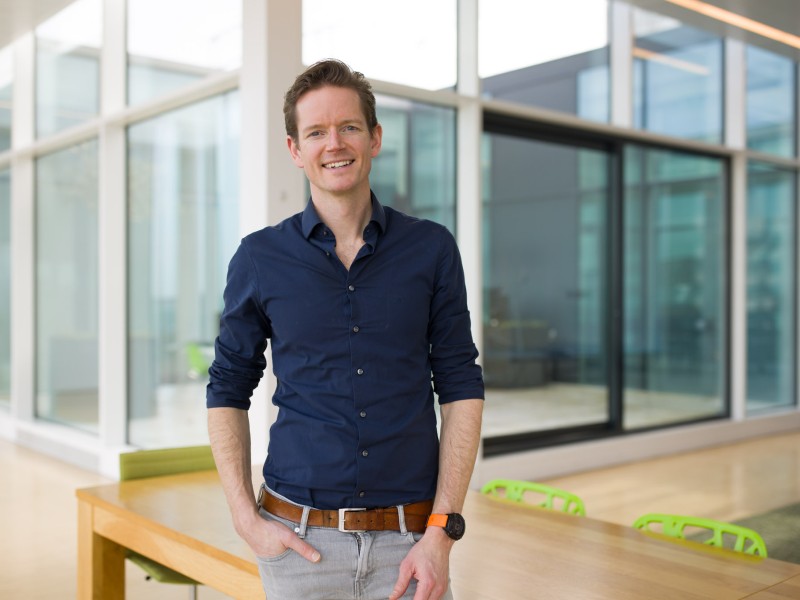
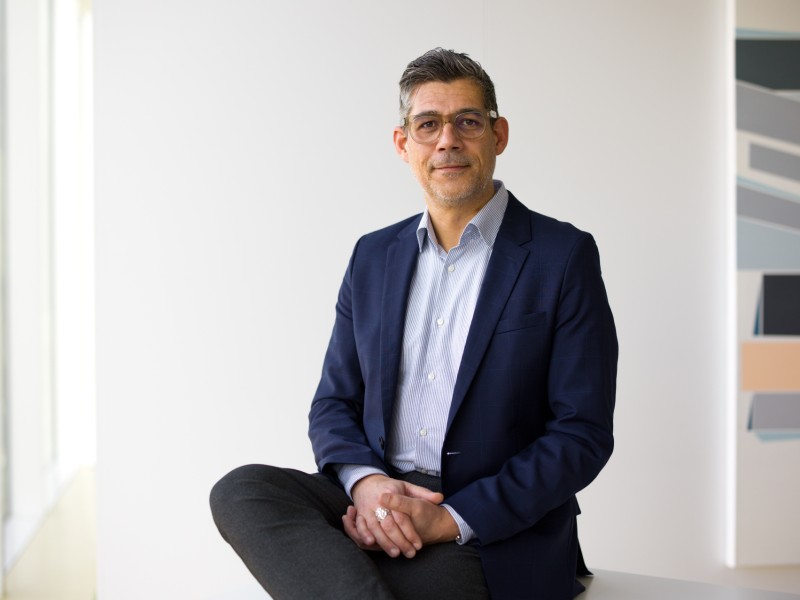
Dr Mads Kjolby, MD, is Chief Medical Officer and co-founder of the Danish biotechnology company Vesper Bio. In 2023-2024, CHDR performed the first phase of clinical development for Vesper Bio’s promising new compound for the treatment of frontotemporal dementia (FTD).
FTD is a debilitating neurodegenerative disease which often affects people at a much younger age than other forms of dementia, such as Alzheimer’s disease. Currently, there is no effective treatment to prevent or even slow the degeneration of the brain’s frontal and temporal lobes that characterizes the condition. Vesper Bio is currently exploring a possible treatment, based on research at Aarhus University, Denmark.
Kjolby, who is also an Associate Professor at Aarhus University, has been closely involved from the outset. ‘I have a background in clinical pharmacology, so I’ve had experience in running patient trials, but I had never before been involved in phase 1 trials,’ he explains. ‘Together with my colleagues, we have developed this compound, a small molecule which we are currently developing as a potential disease-modifying oral treatment for FTD. We really started from scratch, from biological insights to this compound, doing all the preclinical development. And we then decided to bring it to the market, so we founded this company. It’s been quite an interesting journey already.’
What has your experience with CHDR been like?
‘We've been very happy with the interactions, the quality of CHDR’s work and the flexibility of the organisation. They were very capable and met all of our expectations. We are a science-based company with strong roots in academia, and we were glad to meet a similar corporate culture at CHDR. It was a pleasure to collaborate.’
How did you get in contact with CHDR?
‘As you know, there are several successful biotech and pharmaceutical companies in Denmark, and CHDR has worked with several of them. So, I don’t know exactly, but it was by word-of-mouth that we came in touch with CHDR, and we haven’t regretted our decision to choose them.’
Can you tell us more about the collaboration itself?
‘I liked the team we worked with, which was also stable during our collaboration of more than a year, which also was something that we were happy about. Preparations, recruitment of study participants, planning and execution – it was all smooth sailing.’
What has been the outcome of your collaboration?
‘The Neurology group at CHDR successfully completed the first stage of clinical development of our compound. In addition to the usual safety and tolerability tests, they also performed tests that gave us indications of pharmacodynamic effects. So now, with increased confidence in our product, we went into the next phase. Currently, we are performing a 1b/2a trial in the target population. So far it has really been an exciting experience, and I really hope we can successfully bring this treatment to the patients who need it.’
Interested in learning more?
More articles from Developing drugs